AI readiness is not whether your people have access to the tools, and it is not whether they finished a training course. It is whether they can actually work well with AI on the real tasks their job involves. Those are very different things, and confusing them is how organizations end up with full tool rollout and no measurable improvement in the work.
If you want to know whether a team is ready, you have to look at how they perform with AI on something that resembles their job, and score it consistently. Here is how to think about readiness and how to assess it without fooling yourself.
Readiness is not access, and it is not a certificate
Access just means the licenses are assigned. A certificate just means a course got completed. Both are easy to count and neither predicts whether someone will catch a confidently wrong AI answer before it reaches a customer. Readiness lives in that gap: the behavior under real conditions, not the paperwork around it.
What to actually measure
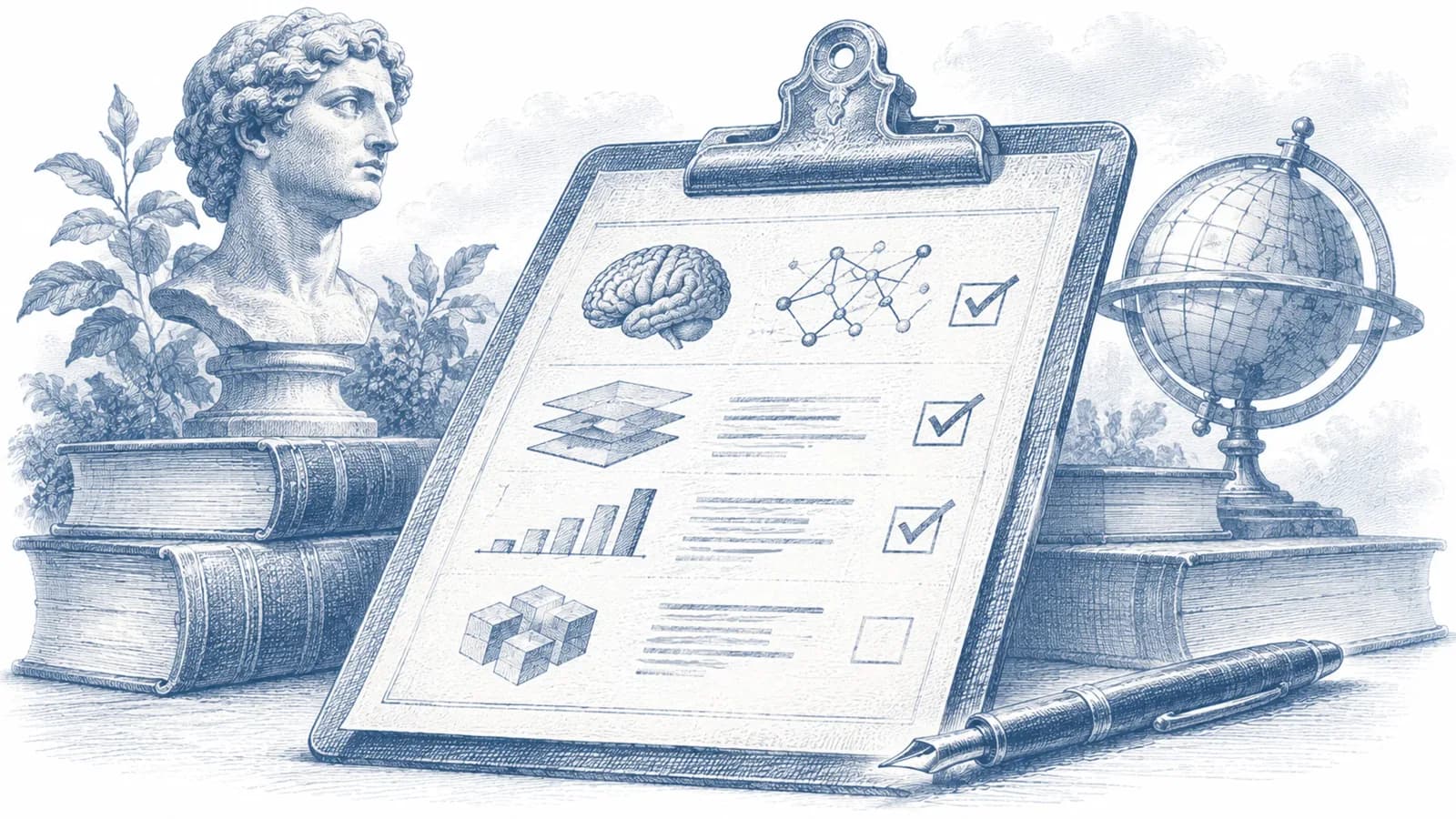
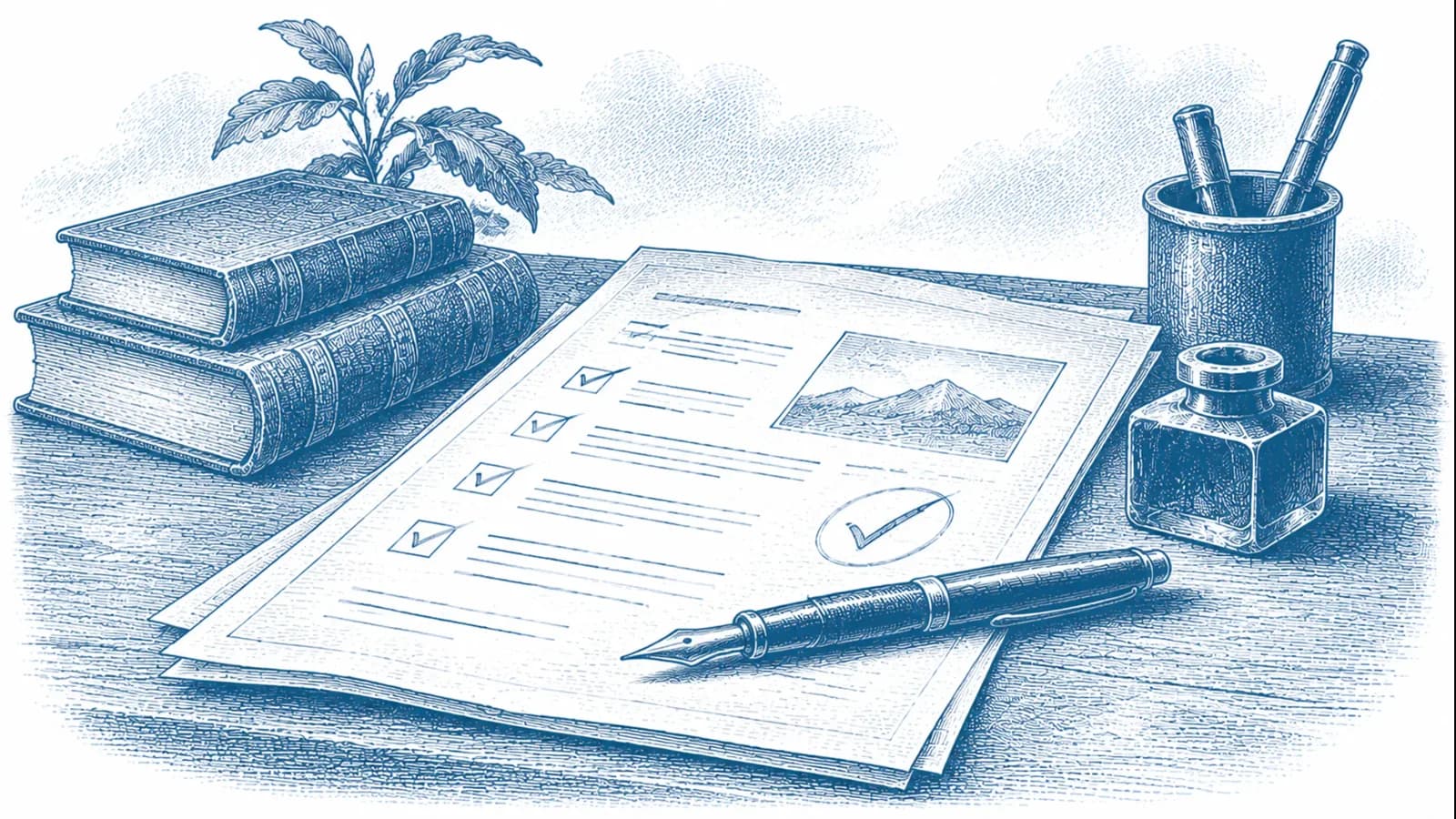
Run a representative slice of the team through the same realistic task with an AI assistant, and score how they work through it: how clearly they direct the model, whether they question answers that look too clean, whether they verify the thing that matters, and how they recover when the AI goes wrong. Readiness is the aggregate of those scores.
Pay as much attention to the spread as the average. A team where everyone scores in the middle is a different problem from a team with a few strong operators and a long tail of people shipping unchecked output. The second group is where the risk and the training budget should go.
Adoption is not readiness
It is worth saying plainly, because dashboards blur it: adoption is whether people use AI, readiness is whether using it helps. Full adoption with low readiness is the dangerous combination, because it looks like success on a usage chart while quietly increasing the amount of unverified work moving through the organization.
Start with a baseline, then improve it
The practical move is to baseline one team or cohort rather than boiling the ocean. Score everyone on the same work, read the distribution, and target training at the specific gaps it exposes. Then measure again and report the change on the same scale. Answerr runs this as an AI readiness assessment, scoring how AI capability is measured across the group, and Answerr for learning and development is built around the baseline-then-measure loop. The credential each person earns lives on the AI Capability page.
Readiness is a number you can move. But only if you measure the work, not the login count or the course completion.
Frequently asked questions
What is an AI readiness assessment?
It is a way to measure whether your people can work effectively with AI on real tasks, not whether they have licenses or finished training. A good readiness assessment scores observed work across a team so you get a baseline per person and for the group, and can see where the real gaps are.
How do you measure AI readiness?
Put a representative sample of the team through the same realistic, AI-assisted task and score how they work: direction, questioning, verification, recovery and judgment. Readiness is the aggregate of those scores, plus the spread between your strongest and weakest users, which usually matters more than the average.
Is AI readiness the same as AI adoption?
No. Adoption is whether people are using AI. Readiness is whether using it makes their work better. You can have full adoption and low readiness, which is a risk, because it means confident use of output nobody is checking.
What is a good first step to assess AI readiness?
Start with a baseline on one team or cohort rather than the whole organization. Score everyone on the same task, read the distribution, and use it to target training. Then re-measure after training to prove the change on the same scale.