An AI capability assessment measures how well a person actually works with AI on real work. Not what they say about AI in an interview, not how many times they open a chatbot, but the quality of the decisions they make while using it. The reliable way to get that signal is a scored work session where someone does a realistic task with an AI assistant and you watch how they handle it.
Most teams are still guessing at this. They read "proficient with AI tools" on a resume, or they pull a usage dashboard, and they treat either one as proof. Neither holds up. Here is what a capability assessment really measures, why the common shortcuts fail, and how to run one that tells you something you can act on.
What it actually measures
Working well with AI is a set of behaviors, not a single skill. The behaviors that separate strong users from weak ones are consistent: they give the AI clear direction, they question answers that look too clean, they check facts against a source, they notice when the model is confidently wrong, and they improve a mediocre first draft instead of shipping it. A good assessment scores those behaviors on a real task rather than asking people to describe them.
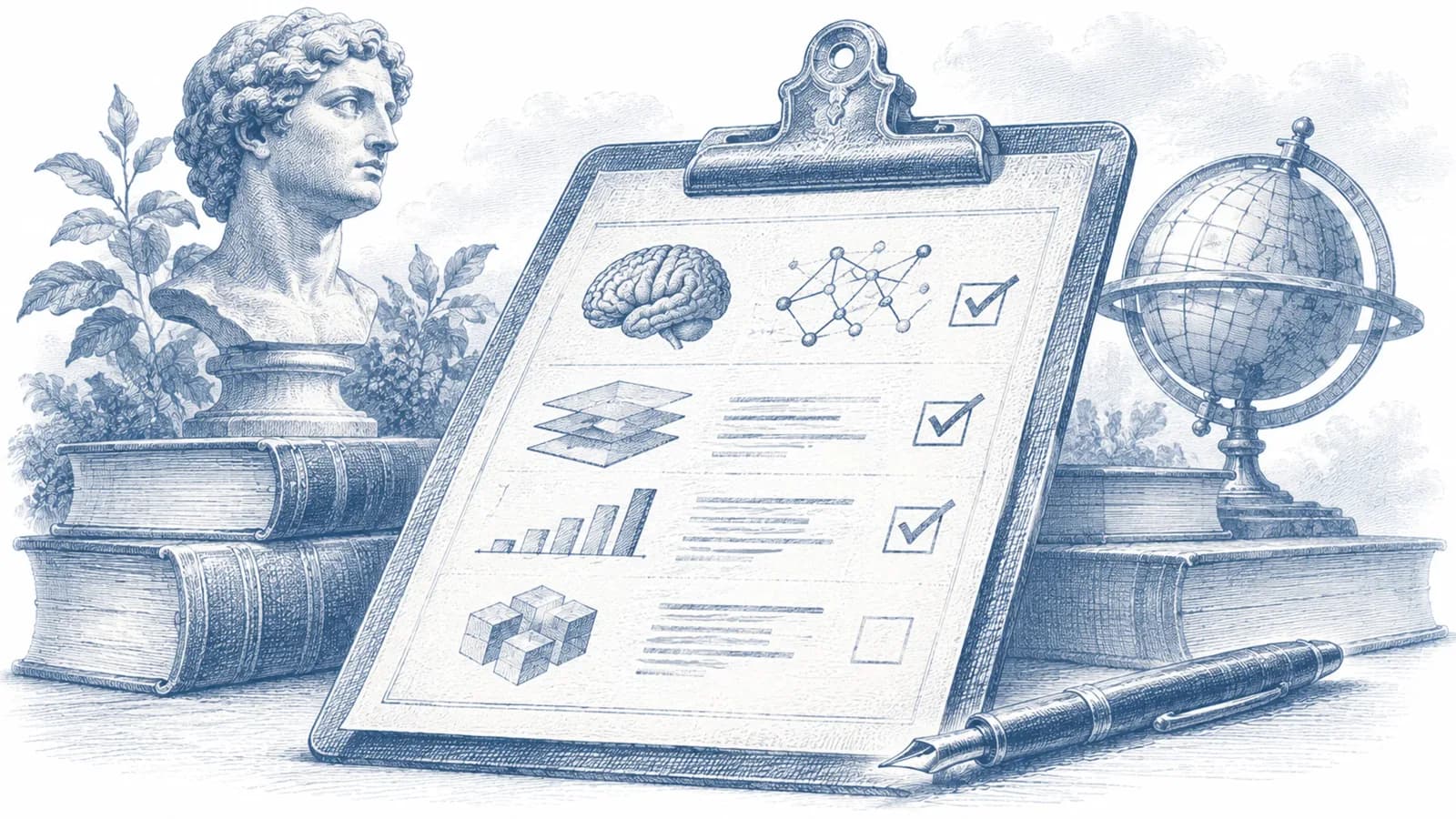
Answerr groups this into five dimensions, judgment, questioning, critical thinking, reasoning and adaptability, and scores each from the observed session. If you want the detail, we break down how AI capability is measured, but the principle is simple: measure the work, not the claim.
Why self-report and usage stats fail
Self-report fails because the people who overestimate their AI ability are often the ones who accept wrong answers fastest. Confidence and capability are not the same thing, and a survey only captures confidence.
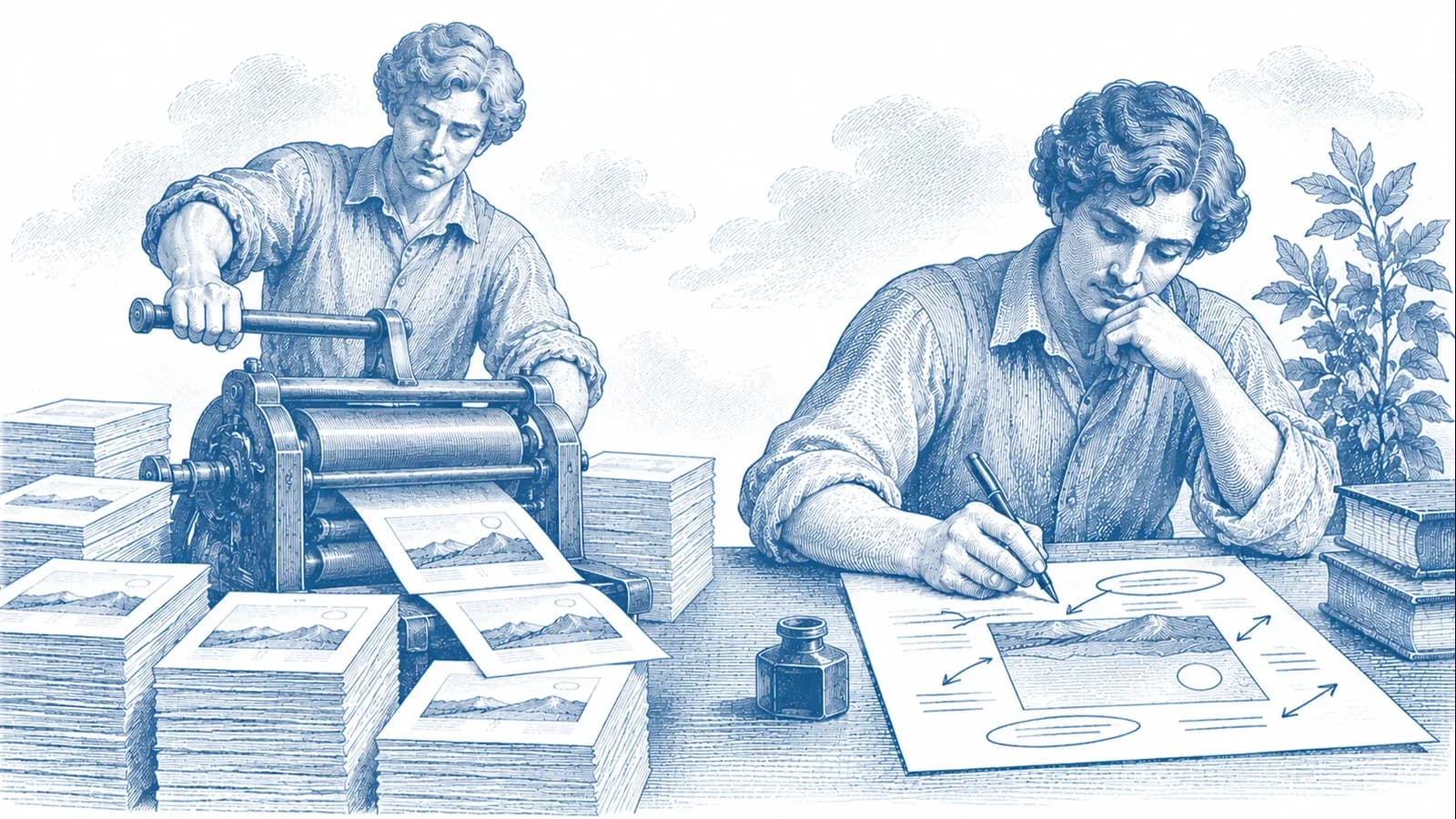
Usage stats fail for a quieter reason. They count activity, not outcomes. A person who pastes every answer straight into their work and a person who challenges the AI twice before using anything can show the exact same number of sessions. Usage tells you adoption happened. It cannot tell you adoption helped.
What a real assessment looks like
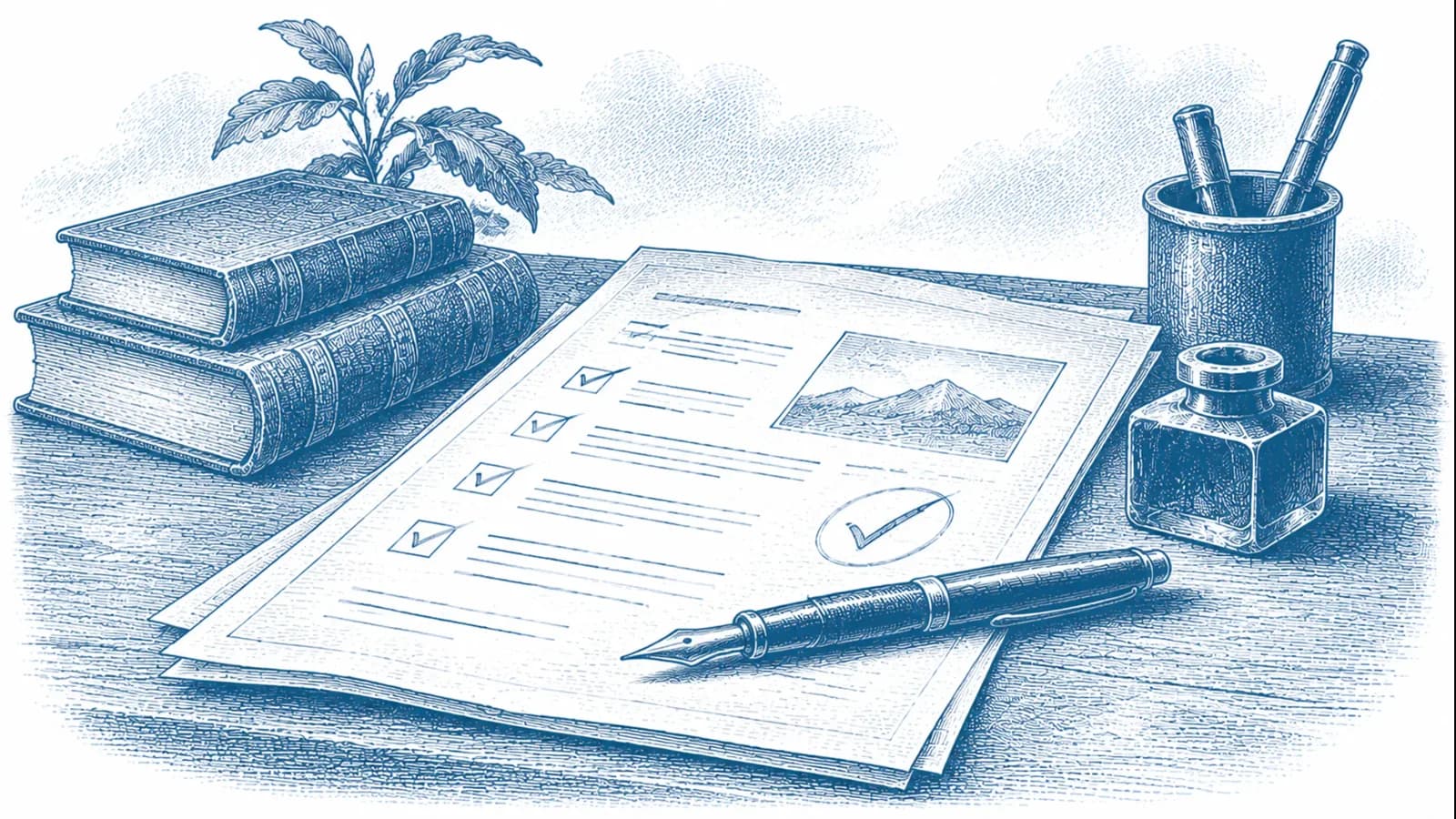
Give the person a task from the actual role, something with a right-ish answer and a few traps. Let them use an AI assistant freely. Then score the session on how they worked: did they catch the planted error, did they verify the number that mattered, did they push back when the model drifted, did the final result improve on the first draft.
The output should be a comparable score plus the evidence behind it, so you can see not just that someone scored 78 but exactly which decisions earned it. That evidence is what makes the result defensible, whether you are comparing a shortlist or justifying a training spend.
How to run one without building it yourself
You can assemble this manually with a task bank and a rubric, but keeping it fair across dozens of people is hard, and scoring behavior by hand is slow and inconsistent. Answerr runs the task session and the scoring for you and returns a verifiable AI Capability credential for each person. If you are checking whether a whole team or cohort is ready rather than one hire, start with an AI readiness assessment and use the baseline to focus training where it is actually needed.
However you do it, hold the line on one rule: the assessment has to watch real work. Everything useful about measuring AI capability comes from that.
Frequently asked questions
What is an AI capability assessment?
It is a task-based evaluation of how well a person works with AI. Instead of asking what someone knows about AI, it gives them a realistic task to do with an AI assistant and scores how they direct it, question its output, and verify the result. The output is a comparable score backed by evidence from the session.
How is it different from an AI skills quiz?
A quiz measures recall of facts about AI. A capability assessment measures behavior on real work. Someone can score well on a quiz and still accept a wrong AI answer without checking it. The assessment catches that because it watches the work, not the trivia.
Can you assess AI capability from usage data?
No. Usage data shows who opened the tool and how often. It cannot tell you whether a person got a better result because of AI or a worse one. Two people with identical usage can have very different capability. You have to look at the work itself.
How long does an assessment take?
A focused, task-based assessment runs in about an hour. That is long enough to see how someone handles a realistic problem with AI from start to finish, including where they catch mistakes and where they do not.
What do you do with the result?
Use it to compare candidates on one standard when hiring, to set a baseline before training, and to measure the change afterwards. Because the score is tied to observed work, you can point to exactly what a person did well and where the gap is.